

Quick answer
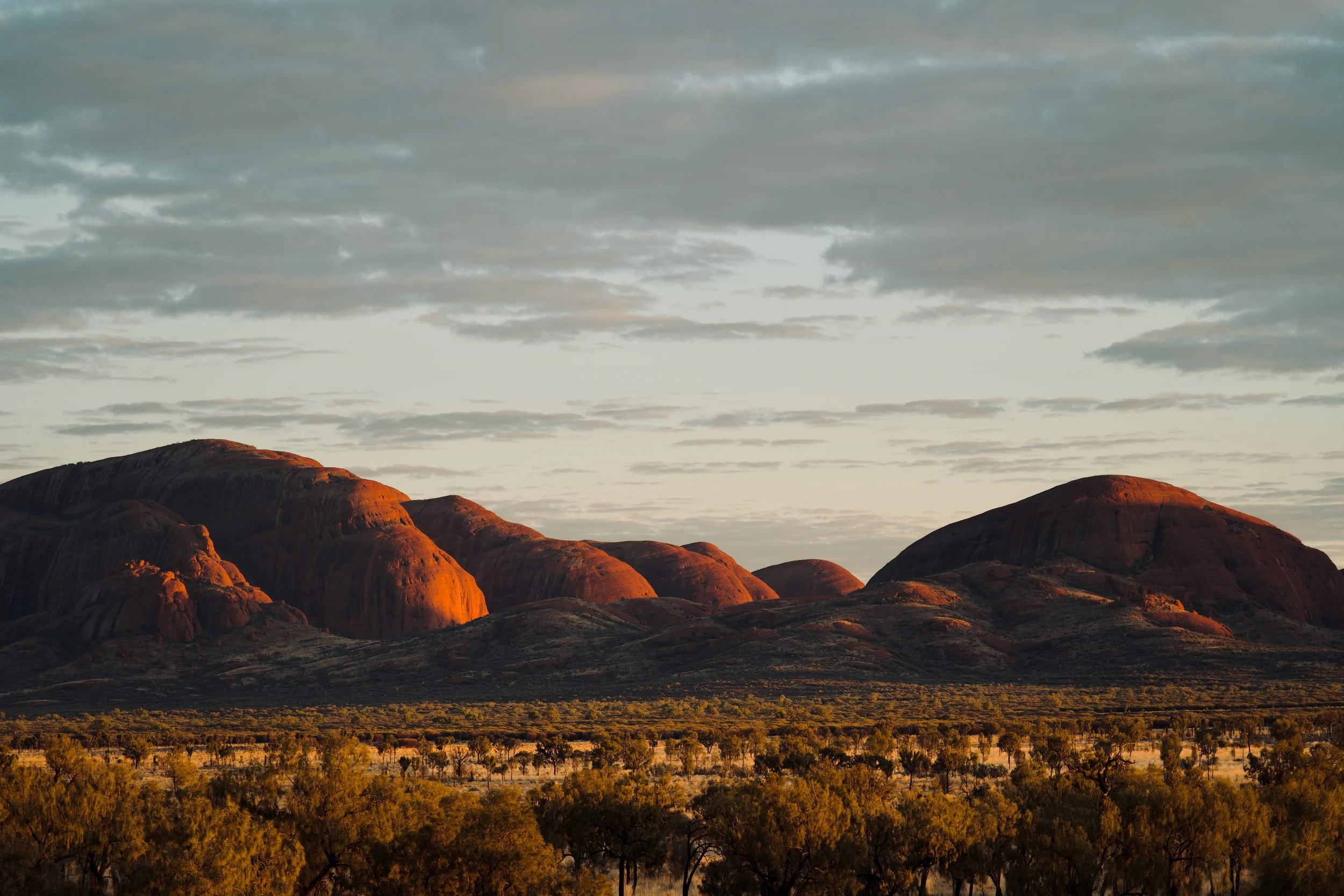
The park gate opens at 05:00 daily, and the best arrival window is 05:00–06:30, which puts you at Kata Tjuta as the domes catch first light. Two walking tracks lead in: Walpa Gorge, roughly one hour return, and the longer Valley of the Winds. The dune viewing area near the access road requires no walking at all.
Kata Tjuta is taller than Uluru. Mount Olga, the highest of the thirty-six domes, stands about 546 metres above the surrounding plain — some 200 metres higher than its more photographed neighbour. That height is why the formation catches light before almost anything else in the landscape, and why a kata tjuta sunrise walk begins in near-darkness and ends in full colour within about ninety minutes. The domes are not sandstone. They are conglomerate: a coarse cement of granite and basalt boulders laid down by ancient alluvial fans, then tilted and eroded over hundreds of millions of years. The rounded surfaces scatter dawn light differently from Uluru's smooth flank, which is why the colours here read as mottled rather than uniform. Anangu, the Traditional Owners, hold Kata Tjuta as a site of deep significance under Tjukurpa, and the area carries restrictions on where visitors may go and what may be photographed. Signage at each trailhead marks the boundaries clearly. Three options exist at first light, and they differ enormously in effort. The dune viewing area, set on a low rise off the access road, is a short boardwalk to a raised platform facing the eastern domes — no climbing, no loose rock. Walpa Gorge is a rocky track between two of the tallest domes, roughly 2.6 kilometres return, with an uneven surface underfoot but a modest gradient. The Valley of the Winds circuit is the serious undertaking: steep sections, exposed rock steps, and a full loop of about 7.4 kilometres. Sections of that circuit close when the forecast reaches 36°C, and rangers apply the closure early in the morning, before the day heats up. What this means in practice is that the walk should be chosen before arrival, not at the car park. Water carriage is the deciding factor — the parks service advises a litre per person per hour on the longer loop, and there is no water available on the track itself. Sturdy closed footwear matters on the conglomerate, which is abrasive and unforgiving. Headlamps are useful for the first twenty minutes. Most visitors pair the walk with an Uluru viewing stop later the same morning, though the drive between them takes longer than the map suggests. Booking a guided kata tjuta sunrise walk removes the pre-dawn navigation problem entirely, and the trailhead logistics — parking, ranger checks, closure notices — are handled before you arrive.
“The domes are not sandstone but conglomerate, and they scatter dawn light in mottled patches rather than a single sheet of colour.”
Kata Tjuta Sunrise Walk Itinerary and Timing
This plan suits reasonably fit walkers who want the dune sunrise followed by one of the two marked tracks at Kata Tjuta, running roughly five hours from pre-dawn departure to return. It assumes the Valley of the Winds circuit; swap in Walpa Gorge for a shorter morning.
Leave for the dune viewing area
Set out in the dark so you reach the Kata Tjuta dune viewing area with time to spare. Allow around 45 minutes from the resort area, plus a short boardwalk from the car park.
Settle on the dune platform
Walk the raised boardwalk to the viewing platform and pick a spot facing the domes. Carry a headtorch and something warm — the platform is exposed and pre-dawn temperatures drop sharply.
Sunrise over the domes
Watch first light move across the 36 domes for 30 to 40 minutes. Stay until the low side-light fades rather than leaving at the first glow.
Drive to Valley of the Winds
Return to the car and continue to the Valley of the Winds trailhead, about 10 minutes on. Fill water bottles at the trailhead tap before starting.
Karu Lookout leg
Walk the rocky 2.2 km return section to Karu Lookout, roughly one hour. Footing is uneven creek stone, so boots beat trainers.
Karingana Lookout and full circuit
Continue through Karingana Lookout onto the 7.4 km circuit, allowing three to four hours in total. The track closes past Karu when forecasts reach 36°C, so check the trailhead sign before committing.
Walpa Gorge as a shorter option
If the circuit feels long, drive 15 minutes to Walpa Gorge and walk the 2.6 km return track instead, about one hour. Turn back at the marked end rather than scrambling further.
Finish and head out
Return to the car park and refill water before the drive out. There are no shops or fuel at Kata Tjuta itself.
Kata Tjuta Sunrise Walk Operating Hours
Kata Tjuta is accessible daily to visitors during the operational hours listed below.
| Monday | 05:00–21:00 | |
|---|---|---|
| Tuesday | 05:00–21:00 | |
| Wednesday | 05:00–21:00 | |
| Thursday | 05:00–21:00 | |
| Friday | 05:00–21:00 | |
| Saturday | 05:00–21:00 | |
| Sunday | 05:00–21:00 |
Directions and Arrival for Your Kata Tjuta Sunrise Walk
Kata Tjuta is located approximately 50 kilometers west of the Uluru-Kata Tjuta National Park entrance. Access is exclusively by private vehicle or organized tour via the main park road.
Lasseter Highway to Kata Tjuta Road
National Park Entry Station to Kata Tjuta sunset/sunrise area
Best Photography Vantage Points on the Kata Tjuta Sunrise Walk
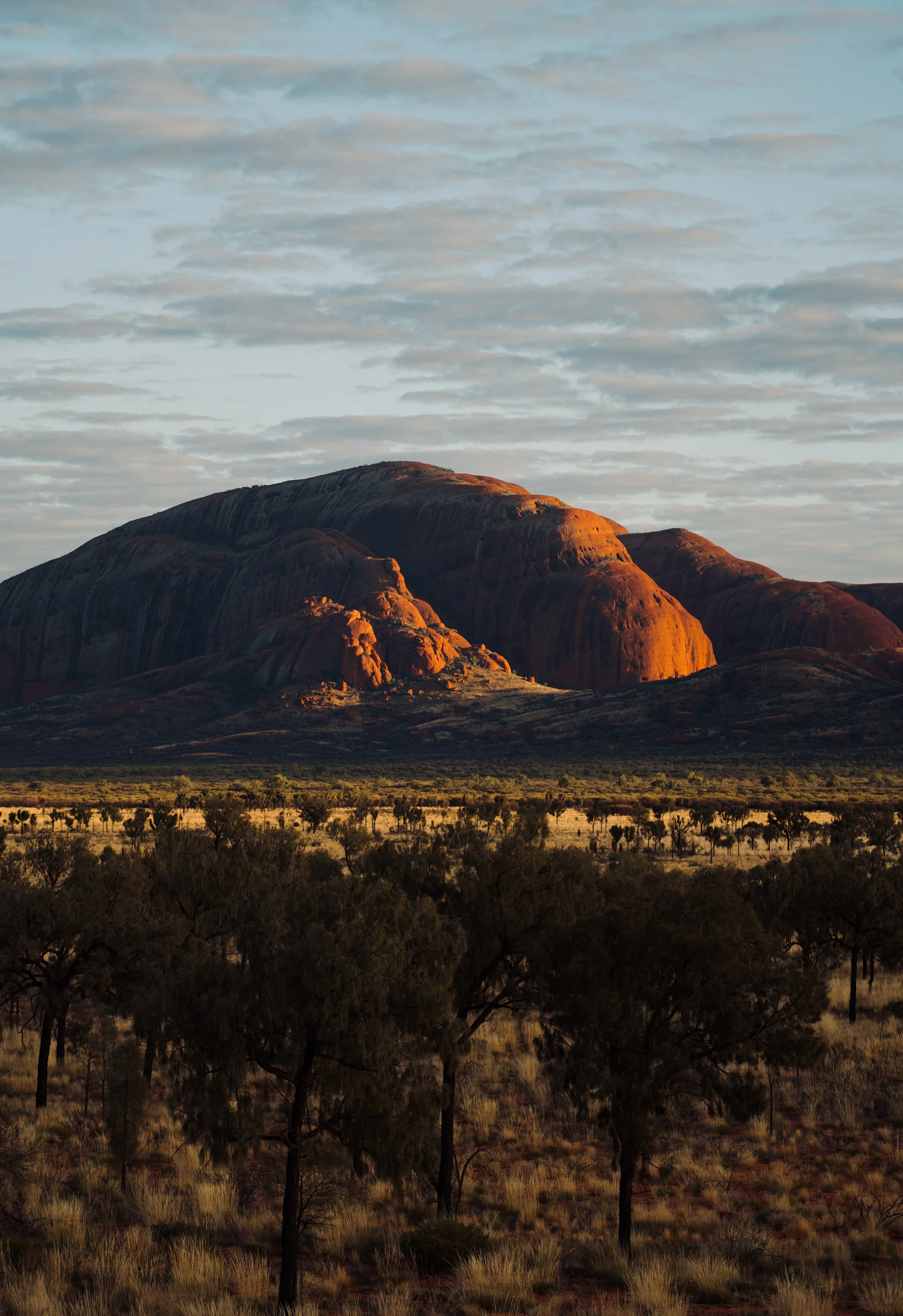
Kata Tjuta Dune Viewing Area
Provides a panoramic perspective of the domes as the sun rises over the horizon. Accessible via a short, sand-based walking path.
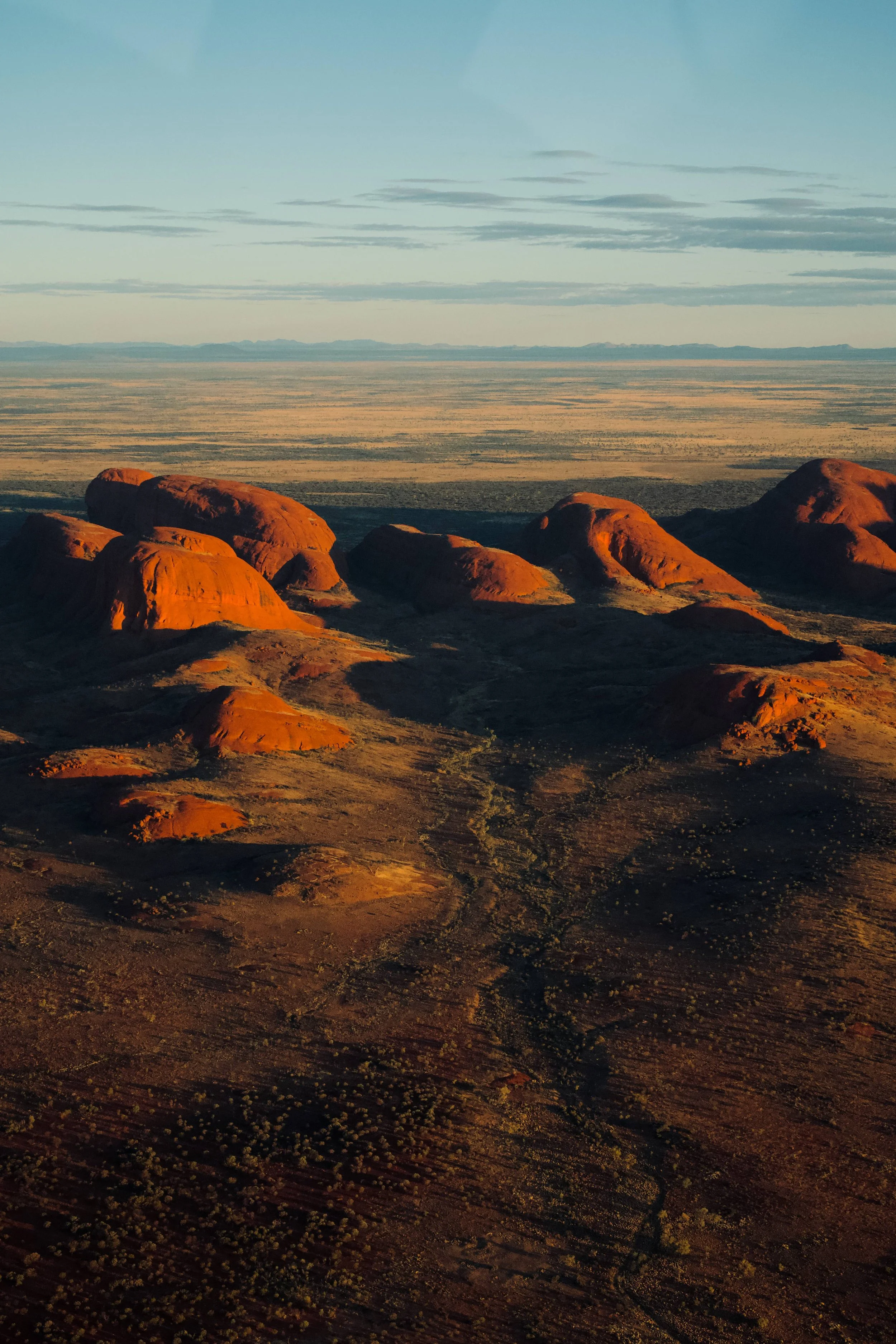
Kata Tjuta Valley of the Winds Lookout
Offers a high vantage point for capturing the scale of the rock formations and changing light. Requires a hike into the park interior.
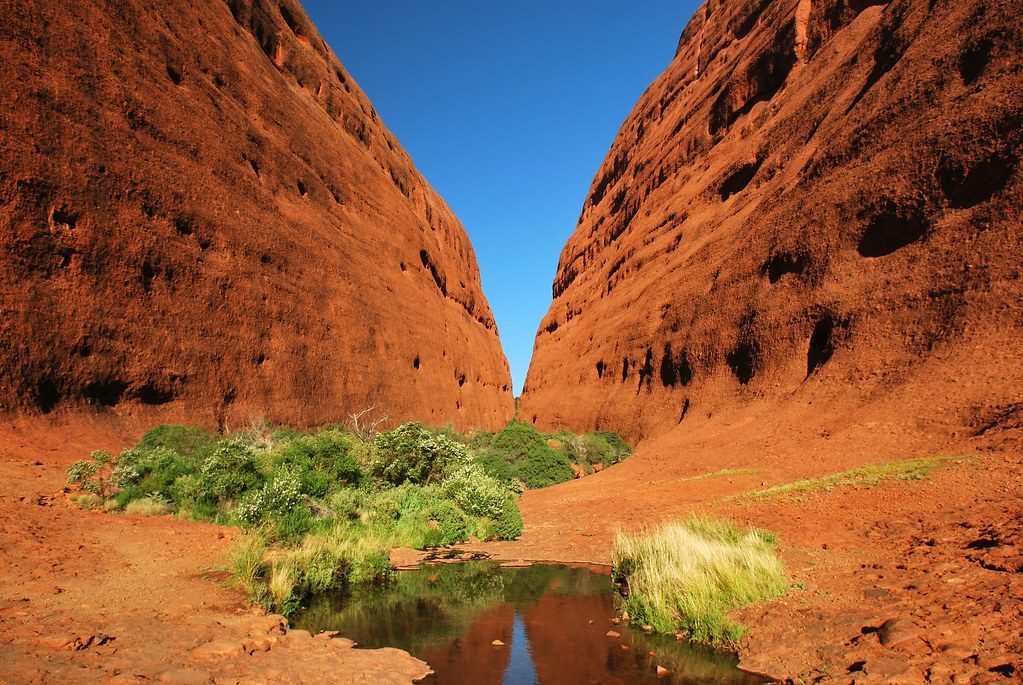
Walpa Gorge Entrance
Captures the contrast between the deep shadows within the gorge and the illuminated cliff faces. Best light hits the rock walls shortly after dawn.
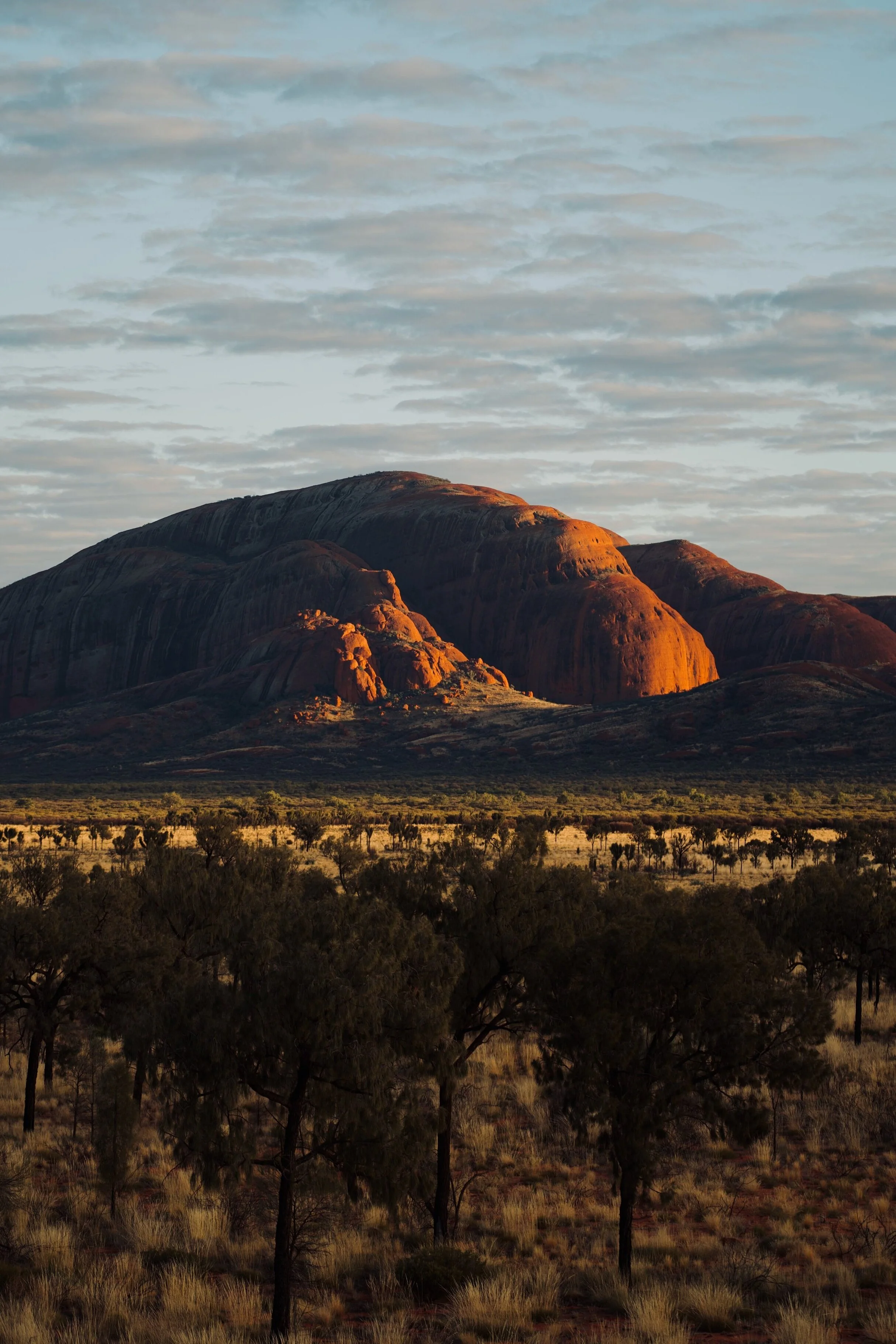
Kata Tjuta Sunset Viewing Area
While named for sunset, this location provides a clear view of the domes during early morning hours with fewer crowds. Located along the main park road.
Rules and Etiquette for the Kata Tjuta Sunrise Walk
Kata Tjuta is a living Anangu sacred site, and much of the domed formation carries men's ceremonial significance that restricts what visitors may photograph or where they may walk. Park regulations back this up: conduct rules here are enforceable, not suggestions.
Do
- Stay on marked tracks through Walpa Gorge and Valley of the Winds
- Read and obey the no-photography signs posted at sensitive sites
- Carry out all rubbish, including fruit peel and cigarette butts
- Give way to Anangu and to guided groups on narrow sections
- Check track closure notices before setting out, especially in hot weather
- Keep voices low near the domes out of respect
Don't
- Do not photograph or film areas marked as sacred sites
- Do not climb, scramble on, or touch the rock formations
- Do not remove rocks, plants, or soil from the park
- Do not fly drones anywhere within the national park
- Do not leave the walking tracks to seek private viewpoints
- Do not bring pets or play amplified music on the walks
Check availability
Frequently asked questions about kata tjuta sunrise walk
Everything you need to know about kata tjuta sunrise walk