

Quick answer
The park gates open at 06:00 daily, and the recommended arrival window at Kata Tjuta is 06:00–06:45 — early enough for the best light and a parking spot at the viewing area. Actual sunrise shifts across the year, from roughly 06:00 in December to around 07:30 in June, so the gate time and the sun align most closely in winter.
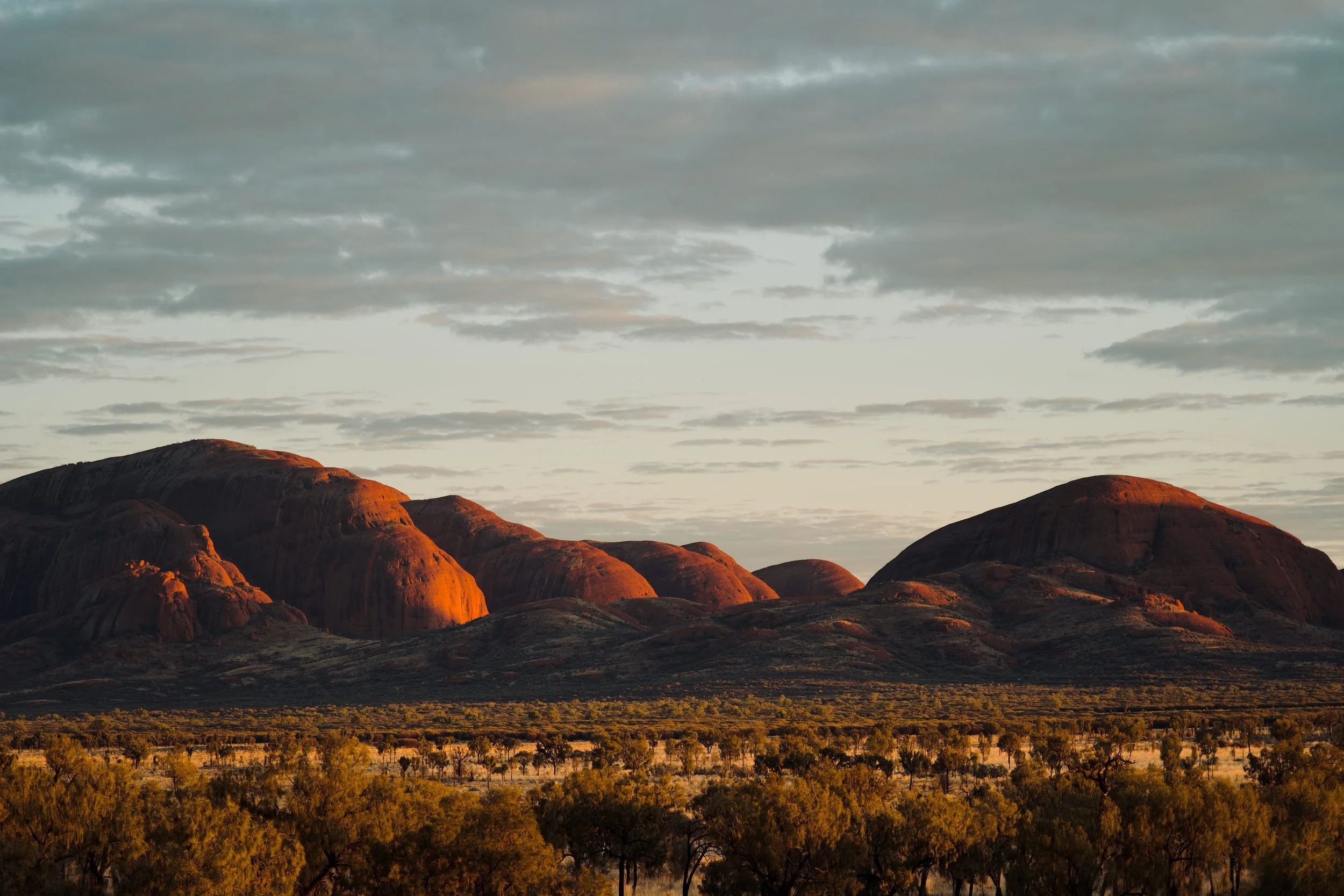
Kata Tjuta means "many heads" in Pitjantjatjara, and the tallest of those heads, Mount Olga, rises about 546 metres above the plain — roughly 200 metres higher than Uluṟu, a fact that surprises most first-time visitors who assume the monolith dominates the landscape. That extra height matters at dawn. Light strikes the western domes of the Olgas before it reaches the ground, so the formation glows while the viewing area itself is still in shadow. Understanding kata tjuta sunrise time therefore means understanding two separate clocks: the one governing when the sun clears the horizon, and the one governing when a vehicle can legally be inside the Uluṟu-Kata Tjuta National Park. Those clocks do not always agree. The park is Aboriginal land, leased to Parks Australia and jointly managed with the Aṉangu traditional owners, and the entry station on Lasseter Highway operates to a fixed schedule rather than an astronomical one. From the Yulara resort area, the dune viewing area near the Valley of the Winds turnoff sits at the end of a drive that takes most of an hour once the gate is passed. In the depths of summer, when the sun clears the horizon shortly after 06:00, visitors will arrive to find the domes already lit. In June and July, when dawn comes closer to 07:30, the gate opening leaves a comfortable margin. Anyone comparing a Kata Tjuta sunrise tour against a self-drive should weigh this seasonal gap first, because it changes what a dawn start actually delivers. The practical consequence is that the sunrise viewing area fills from the gate opening onward, not from first light. The dune platform is a modest raised boardwalk with a finite car park, and tour coaches arriving from Yulara claim a share of it. Walking groups heading for the Valley of the Winds or Walpa Gorge frequently start from the same lot, adding pressure at exactly the hour when the light is worth having. Checking the official Parks Australia sunrise table for the specific date of a visit is the single most useful preparation, since published times shift by well over an hour across the year. Read against the gate schedule, kata tjuta sunrise time becomes a planning figure rather than a guess — and the rest of this guide breaks down the hours, costs, routes and vantage points that follow from it.
“Light strikes the western domes before it reaches the ground, so the formation glows while the viewing area is still in shadow.”
Optimal Kata Tjuta Sunrise Time and Daily Arrival Planning
The optimal arrival window for viewing the sunrise is 06:00–06:45, as this ensures sufficient time to secure a parking spot at the viewing area before the first light. Seasonal variations in sunrise time necessitate adjusting your departure to match local dawn conditions.
Summer (Dec–Feb)
HighHot, up to 38°C; high humidity.
Early starts are essential to avoid midday heat. Sunrise occurs early, requiring pre-dawn departure.
Autumn (Mar–May)
ModerateMild, 10°C to 25°C.
Clear skies provide consistent light conditions. This period offers stable weather for sunrise viewing.
Winter (Jun–Aug)
HighCold mornings, 3°C to 20°C.
Cold temperatures require warm clothing. Crowds increase during school holiday periods.
Spring (Sep–Nov)
ModerateWarm, 15°C to 30°C.
Temperatures remain comfortable before the summer heat. Wildflowers may be present in the surrounding landscape.
Verdict: The best slot for sunrise viewing is during the shoulder months of April or October, arriving promptly within the 06:00–06:45 window.
Park Opening Hours for Your Kata Tjuta Sunrise Time Visit
Uluṟu-Kata Tjuṯa National Park maintains consistent daily operational hours to facilitate access for sunrise viewing. The park is open every day of the week.
| Monday | 06:00–19:30 | |
|---|---|---|
| Tuesday | 06:00–19:30 | |
| Wednesday | 06:00–19:30 | |
| Thursday | 06:00–19:30 | |
| Friday | 06:00–19:30 | |
| Saturday | 06:00–19:30 | |
| Sunday | 06:00–19:30 |
Driving Directions for Reaching Your Kata Tjuta Sunrise Time Viewing Spot
Kata Tjuta is located within the Uluṟu-Kata Tjuṯa National Park, accessible via the Lasseter Highway. Driving is the primary method for reaching the sunrise viewing area independently.
Lasseter Hwy from Yulara
Kata Tjuta Road from park entrance
Prime Photo Locations for Kata Tjuta Sunrise Time
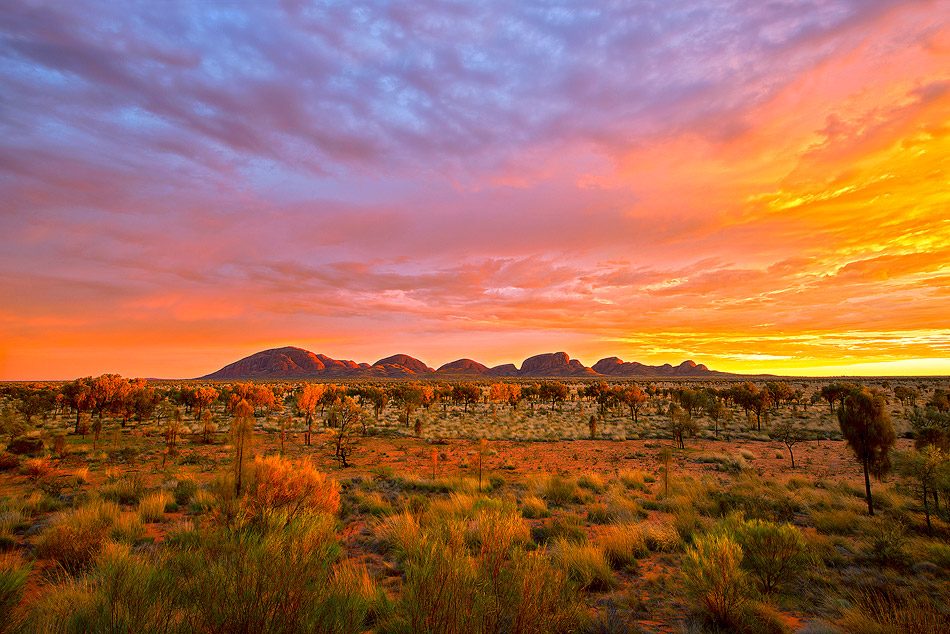
Kata Tjuta Dune Viewing Area
Provides a panoramic view of the domes as the sun rises from behind them, illuminating the rock faces. Access is via a short, sand-based walking trail from the car park.
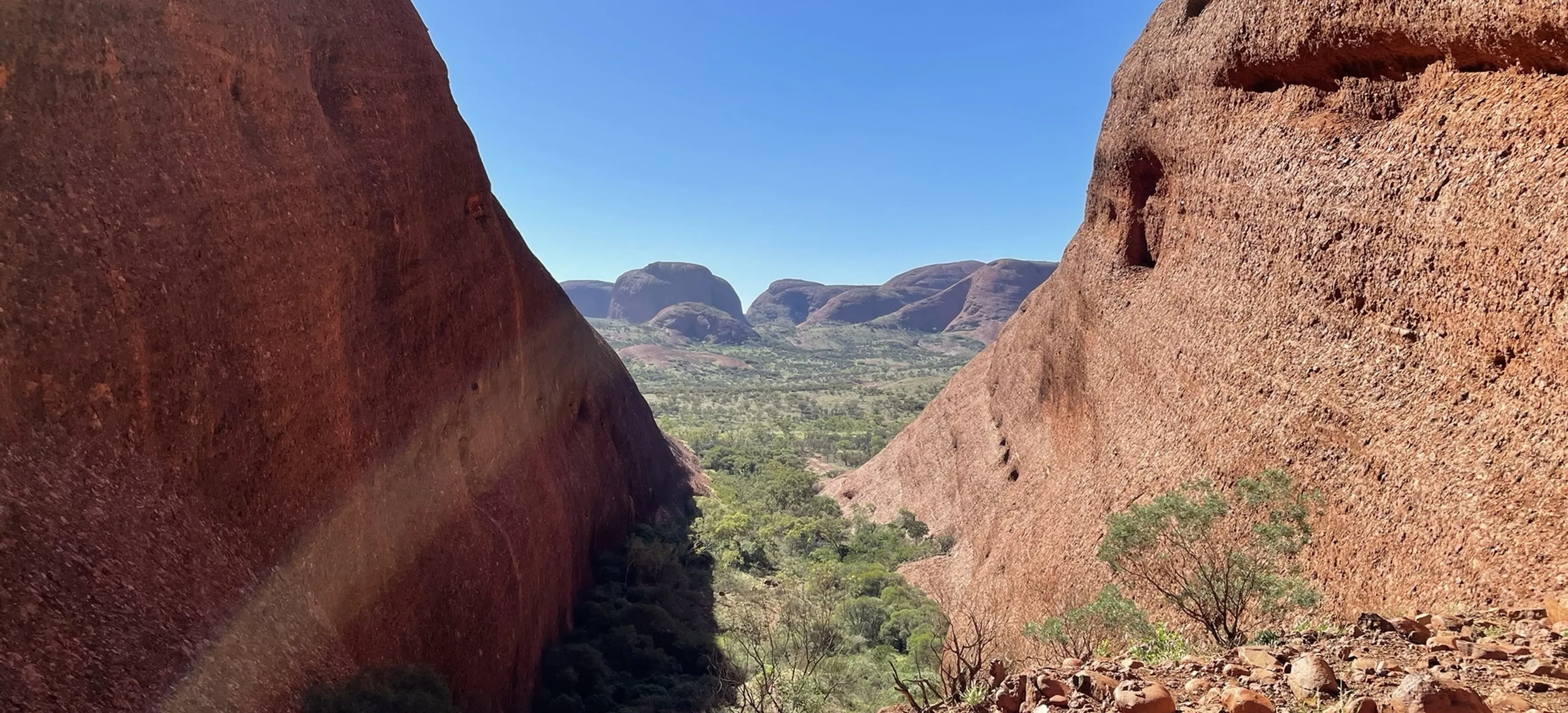
Karingana Lookout
Located along the Valley of the Winds walk, this spot offers a framed perspective through the narrow gorge. Requires a moderate hike to reach before the light shifts.
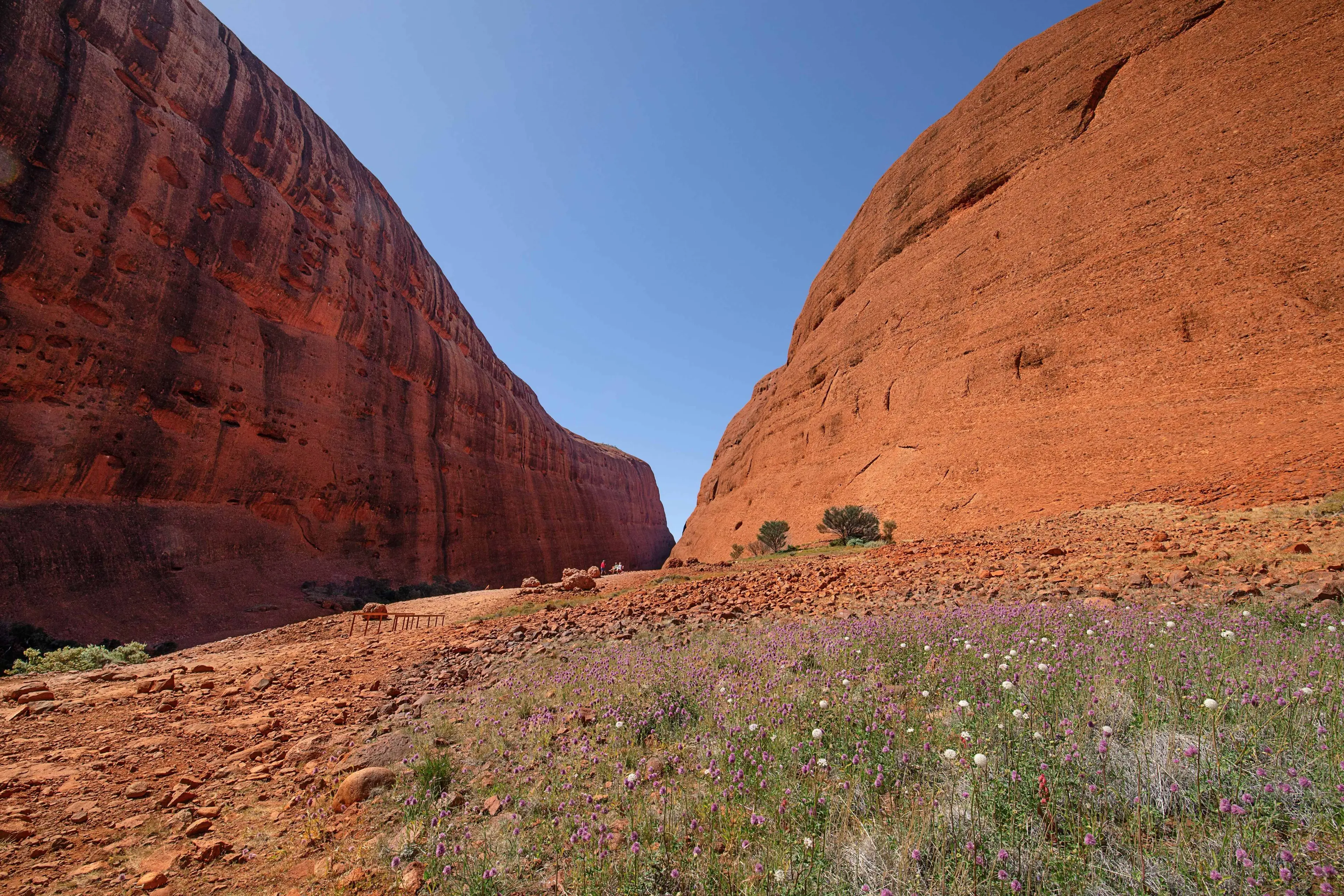
Valley of the Winds track
This trail offers multiple angles of the domes with changing light and shadows as the sun ascends. Follow the marked path to maintain safety and vantage points.
Essential Preparation Checklist for Kata Tjuta Sunrise Time
A sunrise start at Kata Tjuta rewards preparation done in the weeks before, not on the morning itself.
-
Buy your park pass in advance — The 38 AUD 3-day pass covers Uluru and Kata Tjuta, so having it ready avoids a pre-dawn delay.
-
Reserve accommodation near Yulara early — Rooms and campsites in the resort area fill months ahead in peak season.
-
Confirm your sunrise tour departure time — Operators leave well before first light, so check pickup details when you book.
-
Check conditions with the park on +61889561100 — Weather, road closures and heat restrictions can change access at short notice.
-
Pack warm layers and a windproof jacket — Desert nights drop close to freezing in winter, then warm quickly after sunrise.
-
Carry at least three litres of water — There are no shops or taps at the dune viewing area.
-
Charge devices and bring a headtorch — You will be walking and setting up in darkness before the light arrives.
-
Aim to arrive between 06:00 and 06:45 — Arriving before sunrise secures a parking spot at the viewing area and the best light.
Check availability
Frequently asked questions about kata tjuta sunrise time
Everything you need to know about kata tjuta sunrise time